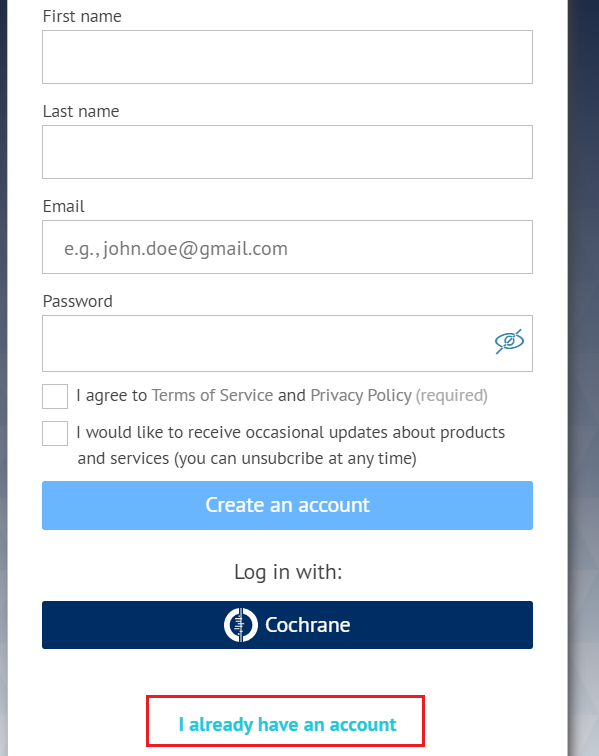
In today’s digital age, bwin casino guide setting up an online account has become a routine task for individuals across various platforms, from social media to banking services. However, one crucial aspect that often gets overlooked is ensuring that the details entered during the account setup process match those on your government-issued identification (ID). This report delves into the importance of matching your account details with your ID, the potential consequences of discrepancies, and best practices to ensure a smooth account creation experience.
Importance of Matching Details
When creating an online account, especially for services that require a high level of security, such as financial institutions or government services, the verification of identity is paramount. Companies use various methods to authenticate users, and one of the most common methods is to compare the information provided during account setup with that on a valid ID. This process helps prevent fraud, identity theft, and unauthorized access to sensitive information.
- Fraud Prevention: By ensuring that the details match, companies can significantly reduce the risk of fraudulent activities. If an individual tries to create an account using someone else’s information, the mismatch will likely trigger a verification process or outright denial of account creation.
- Identity Verification: Many services require users to verify their identity to comply with regulations such as Know Your Customer (KYC) and Anti-Money Laundering (AML) laws. These regulations mandate that businesses take steps to verify the identity of their customers, which often involves matching personal details against official identification.
- Account Recovery: If you forget your password or lose access to your account, many services will require you to verify your identity before allowing you to recover your account. If the details on your account do not match those on your ID, you may face challenges in regaining access.
Key Details to Match
When setting up your account, it is essential to ensure that the following details match those on your ID:
- Full Name: Your first name, middle name (if applicable), and last name should be entered exactly as they appear on your ID. Variations in spelling, the use of initials, or nicknames can lead to mismatches.
- Date of Birth: This is a critical piece of information used for verification. Ensure that the date format matches what is used on your ID (e.g., MM/DD/YYYY or DD/MM/YYYY).
- Address: Your residential address, including street name, number, city, state, and zip code, should match your ID. This is particularly important for financial institutions that may send physical correspondence or require proof of residency.
- Identification Number: If the service requires you to input an ID number (such as a driver’s license number or social security number), ensure that this number is entered correctly without any typos.
- Phone Number and Email: While these may not always be on your ID, they are often used for verification purposes. Make sure that the contact information you provide is current and matches what you have registered with other services.
Consequences of Mismatched Details
Failing to match your account details with your ID can lead to several issues:
- Account Denial: If the information does not match, the service may deny your request to create an account. This can be frustrating, especially if you are eager to use the service.
- Delayed Verification: In cases where your details are close but not an exact match, you may be subjected to additional verification steps, which can delay your access to the service.
- Access Issues: If you ever need to recover your account, mismatched details can complicate the process, potentially leading to permanent loss of access.
- Legal Implications: In extreme cases, using false information or mismatched details can lead to legal consequences, especially if the service is regulated by law.
Best Practices for Accurate Setup
To ensure that your account setup goes smoothly and that your details match your ID, consider the following best practices:
- Double-Check Your ID: Before entering your details, take a moment to review your ID carefully. This will help you avoid any accidental errors.
- Use Official Documents: When entering information, refer to your official documents rather than relying on memory. This includes your driver’s license, passport, or any government-issued ID.
- Be Consistent: If you have multiple accounts across different platforms, try to keep your details consistent. This will make it easier to manage your accounts and reduce the likelihood of mismatches.
- Update When Necessary: If you change your name, move to a new address, or change your phone number, ensure that you update your account details across all platforms to reflect these changes.
- Contact Customer Support: If you encounter issues during the account setup process, do not hesitate to reach out to customer support for assistance. They can provide guidance on how to proceed and help resolve any discrepancies.
Conclusion
Setting up your account with details that match your ID is not just a formality; it is a crucial step in ensuring your security and access to services. By understanding the importance of accurate information, the potential consequences of mismatches, and adhering to best practices, individuals can navigate the account setup process more effectively. In a world where identity theft and fraud are prevalent, taking the time to ensure that your details align with your official identification can save you from future headaches and ensure a seamless online experience. Always remember, the integrity of your online identity begins with accurate and matching information.